If Seoul is considered the “economic heart” of South Korea, then Daegu feels more like a slower-paced, warm, and livable city. The cost of living is noticeably lower than in Seoul, and housing prices are generally much easier for people to “get on the ladder.”
However, when I actually visited Suseong-gu and Nam-gu, I realized that Daegu’s real estate market is far from quiet — property prices in these popular districts are already approaching those of some new towns in Seoul.
Why is there such a sharp divide in housing prices within this inland city? This article may help you find the answer.
Reference Table of Housing Prices in Major Areas of Daegu
There is a noticeable gap in housing prices across different districts in Daegu. Suseong-gu, known as the city’s most prestigious area with the highest concentration of education and lifestyle resources, consistently ranks at the top. In contrast, districts such as Buk-gu and Seo-gu have become popular choices for first-time buyers and self-occupied households thanks to their lower living costs and convenient transportation.
Below is a reference table showing the average housing prices in major areas of Daegu.
| Area (Gu) | Average price (KRW / ㎡) | Equivalent to RMB / ㎡ | Description of features |
|---|---|---|---|
| Suseong-gu (Shoucheng District) | ₩ 9,900,000 | ¥ 53,460 /㎡ | Daegu is the richest district, with strong educational resources and expensive housing in school districts |
| Nam-gu (Minami District) | ₩ 8,500,000 | ¥ 45,900 /㎡ | Close to the university area, convenient living |
| Dalseo-gu | ₩ 7,500,000 | ¥ 40,500 /㎡ | Convenient transportation and concentration of new residential areas |
| Jung-gu (Jung-gu) | ₩ 8,800,000 | ¥ 47,520 /㎡ | The downtown area has many businesses and old houses |
| Dong-gu (East District) | ₩ 7,200,000 | ¥ 38,880 /㎡ | There are many industrial zones, and the housing prices are more affordable |
| Seo-gu (West District) | ₩ 6,800,000 | ¥ 36,720 /㎡ | In the old city, there are many renovation projects |
| Buk-gu (North District) | ₩ 6,500,000 | ¥ 35,100 /㎡ | Students and salaried people are concentrated, and the cost performance is high |
| Average (Daegu Overall) | ₩ 8,000,000 | ¥ 43,200 /㎡ | citywide average |
As shown in the table, housing prices vary greatly across Daegu’s districts. Prices in Suseong-gu are nearly 1.5 times higher than those in Buk-gu, highlighting a clear pattern of regional stratification. Overall, Daegu’s average property prices remain significantly lower than those in Seoul and Busan, yet upward momentum has already begun to appear in the city’s core areas.
For those planning to buy a home or live long-term in Korea, Daegu offers not only convenience and livability but also a noticeable price advantage. This combination makes it a promising city for both residential living and investment potential.
Benefits of Buying a Home in Suseong District, Daegu
Suseong-gu is widely regarded as one of the most affluent and desirable residential areas in Daegu. It offers the city’s strongest concentration of educational resources, well-developed living facilities, and high-quality residential communities, making it a top choice for many middle-class and high-income families.
The overall environment in Suseong-gu is clean and well-maintained, with abundant greenery and a calm, elegant living atmosphere. For those prioritizing education, comfort, and long-term residential value, Suseong-gu stands out as one of the most attractive districts in Daegu.

Compared with other areas in Daegu, Suseong-gu has relatively high housing prices — around ₩9,900,000 (approximately ¥53,460) per square meter. Despite the premium, its excellent educational environment, convenient transportation, and stable property values lead many families to consider it “worth the money.”
The biggest advantage of buying a home in Suseong-gu is the concentration of top-tier educational resources. The district is home to many well-known elementary and secondary schools, as well as reputable private academies, making it one of Daegu’s most recognized “school district” zones.
Secondly, daily living facilities are highly developed. Supermarkets, cafés, hospitals, and leisure parks are all within walking distance, creating a very comfortable and convenient living environment. In terms of transportation, Metro Line 3 runs through the core areas, allowing for relatively smooth commuting.
From an investment perspective, Suseong-gu’s housing market is also known for its strong resilience. Even during periods of volatility in the Korean real estate market, property prices in Suseong-gu have shown steady upward movement. This makes the district suitable not only for self-occupation but also for long-term investment.
Overall, Suseong-gu represents the high-quality lifestyle of Daegu. Whether you value educational opportunities, a refined living environment, or stable real estate returns, this district stands out as an ideal choice.
Benefits of buying a house in Daegu Nam-gu
Nam-gu (남구) is located south of the center of Daegu and is a more mature and convenient area in Daegu. Compared with Shoucheng District, the housing prices in the southern district are more affordable, but it also has comprehensive educational, commercial and transportation facilities, making it a popular choice for many owner-occupied home buyers and investors.
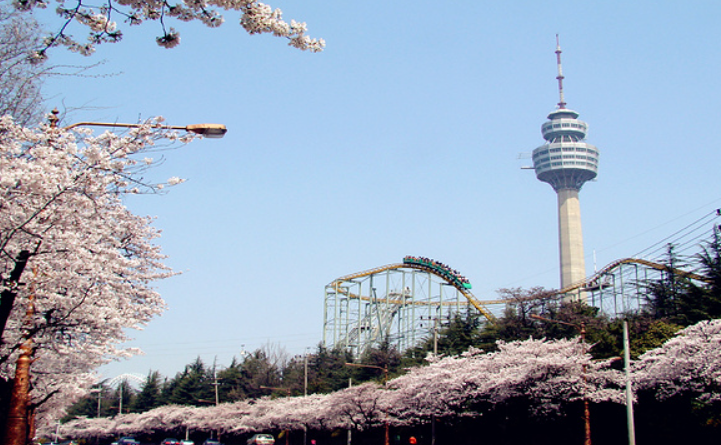
First of all, the convenience of living in the southern district is very high. The area has complete commercial facilities, shopping malls, restaurants, hospitals and various service institutions are relatively concentrated. Whether it’s daily shopping or leisure and entertainment, residents can meet their needs within walking or short transportation distances, and the cost of living is relatively reasonable.
Secondly, the transportation conditions are superior. Nam-gu is run through by Subway Line 2, and the bus line is dense, making it easy to access downtown Daegu and other areas. For commuters or those looking to travel frequently, it is more convenient and not far from important hubs such as Dongdaegu Station.
In terms of educational resources, the Southern District has many schools and training institutions, and although the overall education level is slightly lower than that of Shoucheng District, it can still meet the needs of most families for their children’s education. For families on a budget who want their children to receive a good education, the South District is a cost-effective choice.
From the perspective of real estate investment, housing prices in the southern district are relatively stable and the market is active. The average price of an apartment is about ₩8,500,000/㎡ (about ¥45,900/㎡), which is about 10–15% lower than that of Shoucheng District, but still maintains good rental demand and potential for appreciation. For first-time buyers or those on a budget, the South District offers a better opportunity to get started.
Overall, the Southern District takes into account the convenience of living, educational resources, and reasonable prices, making it suitable for both self-occupancy and long-term investment. For those who want to buy a property in Daegu and pursue a comfortable life without excessively high housing prices, Nam-gu is an area worth considering.
Benefits of buying a house in Daegu Daseo District
Dalseo-gu (Dalseo-gu, 月西구 ) is located in the southwestern part of Daegu City and is one of the most populous and rapidly developing areas in Daegu. Compared with Shoucheng District and Southern District, Daxi District has more affordable housing prices, but at the same time, it has good living facilities and convenient transportation, making it a popular choice for families with limited budgets and first-time buyers.
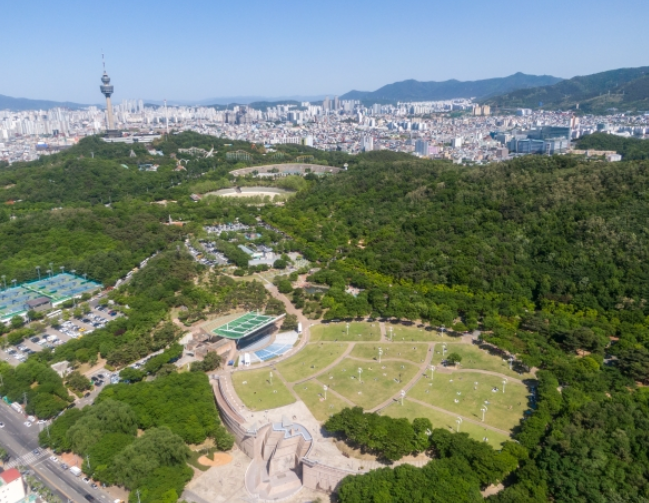
First of all, the living facilities in Daxi District are becoming more and more perfect. There are large shopping malls, supermarkets, restaurants, medical institutions, and various leisure facilities in the area to meet the daily needs of residents. At the same time, with the development of new residential and commercial areas, the overall environment of the area has gradually improved, and the living experience has been continuously improved.
Secondly, the transportation conditions are relatively convenient. Daseo District is covered by multiple bus lines and Daegu Subway Line 2, making it convenient to travel and has quick access to the city center and industrial areas. For office workers or those who need to commute frequently, transportation advantages are obvious.
In terms of education, although the overall educational resources in Daxi District are not as dense as those in Shoucheng District, there are still many primary schools, middle schools and tutoring institutions in the district, which can meet the needs of most families for their children’s education. For families who pursue cost-effectiveness, Daxi District provides a good educational environment and housing price balance.
In terms of housing prices, the average price of apartments in Daxi District is about ₩7,500,000/㎡ (about ¥40,500/㎡), which is about 20–25% lower than that of Shoucheng and Nangu, and the threshold for buying a house is relatively low. At the same time, due to the dense population and improved living convenience, the demand for real estate rental in this area is stable, and the investment potential cannot be ignored.
Overall, Daseo District combines the advantages of reasonable prices, convenient living, and convenient transportation, making it an ideal choice for Daegu home buyers, especially first-time buyers or families with limited budgets. For those who want to settle in Daegu for a long time while balancing living comfort and affordability, Daseo District is worth considering.
Benefits of buying a house in Daegu Jung-gu
Jung-gu (中구) is located in the heart of Daegu City and is the commercial and administrative center of Daegu. Compared with Shoucheng District and Southern District, the housing prices in the central district are moderate, and the advantages of living convenience and commercial facilities are obvious, making it a good choice for buyers who like to live in the city center or want to be close to their workplace.
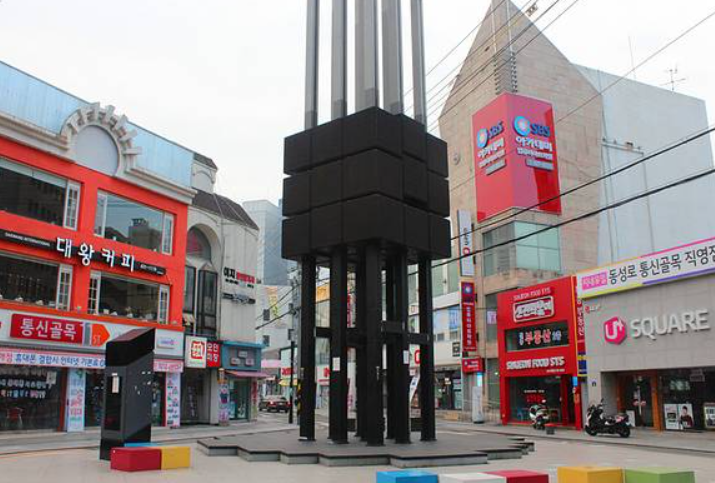
First of all, the commercial and living facilities in Central District are very complete. The area is home to a large number of office buildings, shopping malls, restaurants, cafes, and various public facilities, making life more convenient. Whether it’s for work, shopping, or leisure and entertainment, residents can meet their needs within a short distance, which is also a major attraction of properties in the Central District.
Secondly, Jung-gu has convenient transportation, with subway line 2 and multiple bus lines running through the entire area, making it easy to access other areas in Daegu. At the same time, its proximity to Dongdaegu Station and major road hubs makes Jung-gu an ideal choice for commuting and long-distance travel.
In terms of educational resources, although Central District is not as densely packed as Shoucheng District, there are still primary schools, secondary schools and some tutoring institutions in the district, which can meet the basic educational needs of families in urban centers. For families looking to balance work and living convenience, Central District offers a good balance.
In terms of housing prices, the average price of apartments in Central District is about ₩8,800,000/㎡ (about ¥47,520/㎡), which is slightly higher than Daxi District and North District, but lower than the high-end locations in Shoucheng District, and the cost performance is moderate. Due to its centrally located location, Central has strong rental demand and stable investment potential.
Overall, the advantages of buying a house in the Central District are convenient living, convenient transportation, and proximity to commercial centers. For those looking to work and live in the heart of Daegu while balancing convenience and investment value, Jung-gu is an ideal choice.
Benefits of buying a house in Daegu Dong-gu
Dong-gu (東구) is located in the northeastern part of Daegu City and is an area dominated by industrial and old towns. Compared with Shoucheng District and South District, the housing prices in the East District are more affordable and the cost of living is low, making it suitable for buyers who pursue cost-effective or budget limits.
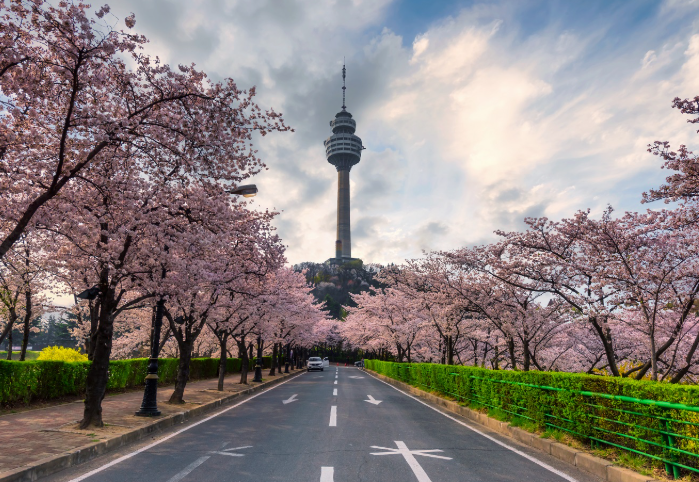
First of all, housing prices in the East District are relatively affordable. The average price of an apartment is about ₩7,200,000/㎡ (about ¥38,880/㎡), which is about 25–30% lower than Shoucheng and Nangu, making it an easier choice for first-time buyers or those looking to control their home buying budget.
Secondly, the convenience of living in the East District is gradually improving. Although the area is dominated by industrial zones and old communities, it has complete supporting facilities, including supermarkets, markets, schools, hospitals, and public transportation networks. With the advancement of urban renewal and renovation projects, the living conditions of residents are also constantly improving.
In terms of transportation, the East District is covered by the subway and many bus lines, making travel relatively convenient, especially suitable for people working in the urban area and surrounding industrial zones. For commuters, it offers a cost-effective living option.
In terms of educational resources, the number of schools in the East District is sufficient, but the overall education level is not as good as that of Shoucheng District and Southern District. However, for families on a budget, the educational environment in the East District can still meet basic needs.
Overall, the advantages of buying a house in the East District are affordable housing prices, low cost of living, and relatively convenient transportation. For homebuyers, young families, or those looking to enter the Daegu real estate market at a lower cost, Dong-gu is an area worth considering.
Benefits of buying a house in Daegu West District
Seo-gu (西구) is located in the western part of Daegu City and is an area dominated by old towns and industrial areas. Compared to Shoucheng and Southern Districts, the West District has lower housing prices and a lower cost of living, making it an ideal choice for buyers who value value and want to buy a home on a smaller budget.
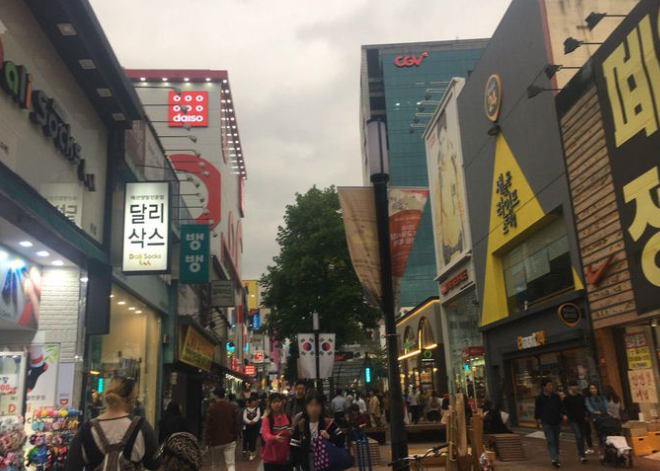
First of all, the housing prices in the West District are affordable. The average price of an apartment is about ₩6,800,000/㎡ (about ¥36,720/㎡), which is about 30% lower than that of Shoucheng District, and the threshold for buying a house is low, making it suitable for first-time buyers or those with limited investment budgets.
Secondly, the living facilities are gradually improving. Although the area is dominated by old neighborhoods, it has complete infrastructure such as supermarkets, markets, schools, and hospitals. At the same time, urban renovation and renovation projects are underway in some old residential areas, and the living environment is expected to be further improved in the future.
In terms of transportation, the West District is covered by subway and bus lines, making daily commuting more convenient, but the overall transportation convenience is slightly lower than that of the Central and Southern Districts. For those who don’t rely on frequent commuting, the West End remains a comfortable living option.
In terms of educational resources, the number of schools in the West District is moderate and the education level is average, but for families who pay attention to cost-effectiveness, they can still meet their daily educational needs.
Overall, the advantages of buying a house in the West District are low housing prices, low cost of living, and many potential renovation projects. For budget buyers, young families, or investors, Seo-gu is an area worth paying attention to, especially for those looking to enter the Daegu real estate market at a lower cost.
Benefits of buying a house in Daegu Buk-gu
Buk-gu (北구) is located in the northern part of Daegu City and is an area dominated by students and salarymen. Compared with Shoucheng District and South District, North District has more affordable housing prices and low cost of living, making it suitable for families with limited budgets or first-time home buyers, as well as for investment and rental.

First of all, the housing prices in the North District are affordable. The average price of an apartment is about ₩6,500,000/㎡ (about ¥35,100/㎡), which is one of the lowest levels among Daegu’s districts, which makes it a low barrier to purchase and suitable for people with limited budgets or young families.
Secondly, the convenience of life is better. The North District has large supermarkets, markets, schools, hospitals and other infrastructure, which basically meet the needs of daily life. Although the overall business atmosphere is not as prosperous as the Central and Southern Districts, the low cost of living and low living pressure make it an option for many families.
In terms of transportation, the North District is covered by subway and bus lines, providing easy access to the city center and beyond. For those working or commuting to school in Daegu, accessibility can still cater to daily commuting.
In terms of educational resources, the number of schools in the North District is moderate, but the overall education level is lower than that of Shoucheng District and Southern District. However, due to the large number of university students and young people gathered in the area, the rental market is active, and the potential for investment and rental is high.
Overall, the advantages of buying a house in the North District are affordability, low cost of living, and stable rental demand. For owners with limited budgets or investors who want to enter the Daegu real estate market, Buk-gu is a very cost-effective option.
Analysis of Daegu housing price increase trends in 2025
As someone who pays attention to Daegu real estate, I have noticed a moderate increase in Daegu housing prices overall in 2025. Compared with first-tier cities such as Seoul, housing prices in Daegu are still relatively affordable, but in the city center and areas with good education and transportation conditions, houses are obviously more popular, and prices are slowly rising. For example, apartments in the core area of the city currently have an average price of ₩9,900,000/㎡ (about ¥53,460/㎡), while some peripheral areas range from ₩6,700,000-8,300,000/㎡.
I think there are several main reasons for the price increase: first, there are not many houses available for sale on the market, and the reduced inventory makes the house more valuable; second, interest rates are relatively loose, making the burden of buying a house less heavy; Third, the price in Daegu is much lower than in Seoul, which is very attractive to many home buyers and investors; Another point is that everyone’s mentality of buying a house is also changing, from wait-and-see to action, which also drives housing prices.
Of course, as an individual, I also see some potential risks. For example, Daegu’s young population may migrate to big cities such as Seoul, which is a challenge for long-term demand; If the government introduces new regulatory policies, it may also affect housing prices; Moreover, there are quite a lot of differences between different regions in Daegu, and in places with inconvenient transportation or average infrastructure, housing prices may not rise, or even risk falling.
Overall, I think Daegu housing prices are still rising steadily this year. Prime lots may see gains of around 2%, medium lots may move sideways, and weaker conditions may see limited gains. For people like me who want to live or invest for the long term, downtown and school district housing are still worth paying attention to.
Summary
As someone who pays attention to Daegu real estate, I think the overall market this year is still rising steadily. Different areas have their own characteristics: Shoucheng District and South District are suitable for those who pursue education and convenience in life; Daxi District and Central District are cost-effective; The East, West, and North Districts are more suitable for families on a budget or for first-time homebuyers.
For me, buying a house is not only an investment, but also a lifestyle choice. I will choose the most suitable area for me based on my budget, commuting needs, and life preferences, rather than blindly following the trend. Daegu offers a wealth of choices, as long as you do your homework in advance and plan reasonably, it is not difficult to find a satisfactory house. Overall, I am relatively optimistic about the prospects of Daegu real estate.